Skip Hire in Hornsey for practical waste removal

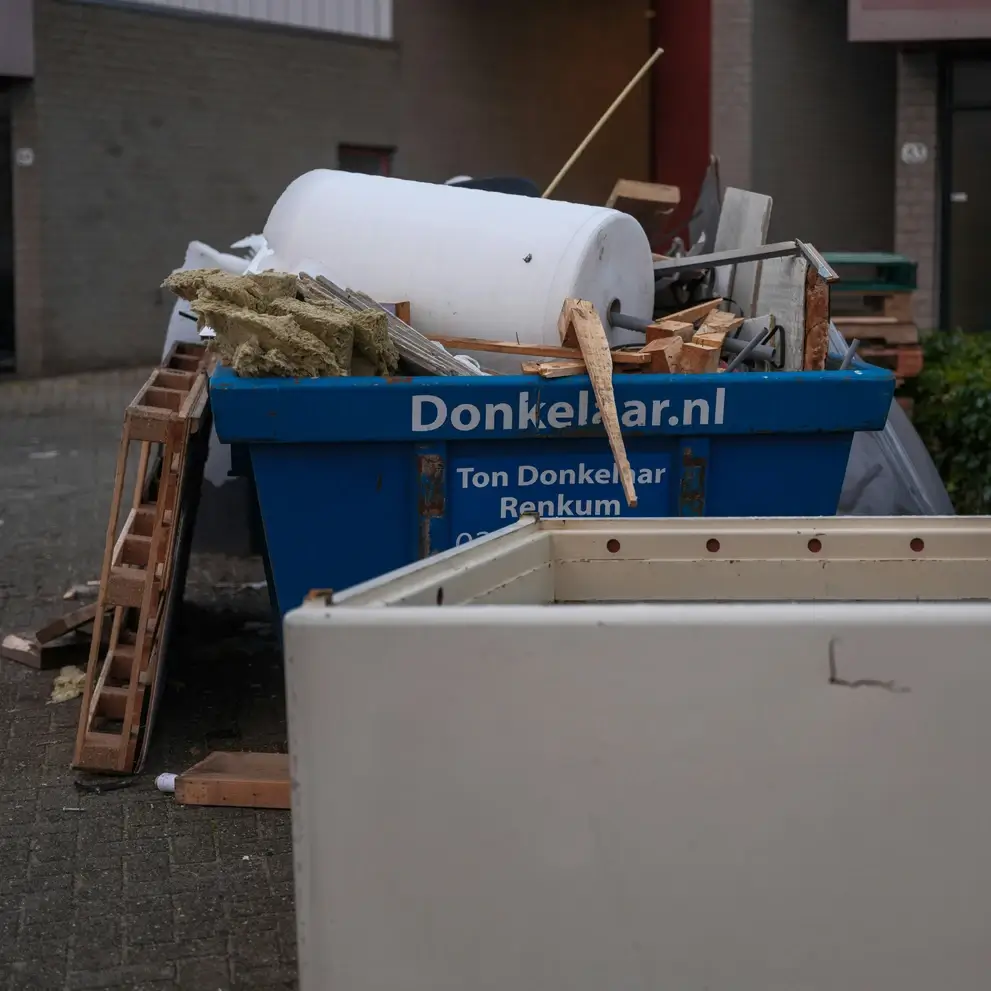
Skip hire in Hornsey is a straightforward way to manage bulky waste when a project produces more than an ordinary bin collection can take. We help householders, landlords, trades and site managers organise the right skip for the job, with options suited to home clear-outs, renovation waste, garden work and ongoing building activity. The aim is simple: give you a reliable container for mixed waste so the work can keep moving without unnecessary disruption.
Different jobs create different loads, so the right choice depends on the type of waste, the amount involved and where the skip will sit. A carefully matched size helps avoid overfilling, while sensible placement keeps access clear and the site easier to manage. If you are weighing up skip sizes, permit needs or alternative collection methods, the service pages below can help you compare the most useful options before you request a quotation.
For a clear starting point, look at the service overview on the skip hire page and the practical guidance on skip sizes and prices. If your project needs a quicker turnaround or a smaller load, you can also compare same day skip hire and wait and load skip hire to see which approach is more suitable for the site and the waste you need to move.
Choosing the right skip for your project
The main decision is usually capacity. Small domestic jobs may only need a modest container, while larger clearances or refurbishment work often produce mixed waste that is easier to handle in a bigger skip. Choosing a size that is genuinely suited to the load makes sorting and loading more efficient, and it can also help you avoid the extra hassle that comes with overflow or a second collection.
We can support a range of uses, including domestic tidy-ups, building waste and longer-running projects. If the waste is mainly rubble, timber, packaging or general mixed material, a standard skip is often the most practical option. When the waste stream is more specific, such as heavier construction debris or a clearer commercial load, it can be worth reviewing the dedicated service pages first so the method matches the work.
Useful related options include domestic skip hire for home projects, builders skip hire for trade and renovation waste, and commercial skip hire where premises generate regular or project-based rubbish. If you are dealing with heavier site material, construction waste disposal and construction waste clearance provide more focused routes for keeping the job organised.
Skip access, placement and permit considerations
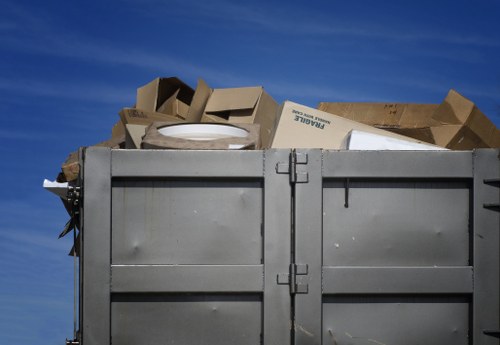
Placement matters as much as size. A skip should be positioned so the loading point is usable, access remains safe and the vehicle can complete delivery or collection without avoidable obstruction. Where space is limited, it helps to think in advance about driveway width, road access and whether the container needs to sit close to the work area. Good planning reduces the chance of delays and makes the waste easier to manage throughout the project.
Not every site is straightforward, and some locations may need extra attention before a skip can be placed. If the container must sit on public highway rather than private land, permit arrangements may be relevant. That is why it is sensible to look at the guidance on skip permits and skip hire permits before confirming the booking. For jobs where a skip is not convenient, grab hire services and grab lorry hire can offer a different approach to waste removal.
Before you enquire, it helps to note the waste type, approximate volume and any access limits such as narrow drives, parked cars or loading restrictions. If you already know whether you need a standard skip, a wait-and-load arrangement or a collection-based service, that information makes it easier to compare options accurately. You can also review the booking route through book online if you are ready to proceed.
Domestic clearances and household waste
Household projects often create a mixed load of old furniture, bagged items, broken fixtures and general clutter that builds up over time. Skip hire can be a practical solution when you want to clear a garage, empty part of a property or remove waste from a refurbishment without making repeated trips to a disposal site. It gives you a central place to load items as the work progresses.
For these kinds of jobs, the supporting services can be just as important as the skip itself. The house clearance page is useful where the work involves a broader domestic clear-out, while garage and loft clearance suits storage spaces that have accumulated awkward or bulky items. If the job is focused on discarded furniture, mattress and sofa disposal provides a more specific option for those particular items.
When waste is mostly domestic and you want to keep the job moving at your own pace, a skip can be the most flexible choice. For smaller volumes, it may be enough to combine a compact container with careful sorting; for larger clearances, a bigger skip can prevent the need to pause halfway through. In either case, the main benefit is having a clean, contained place for the waste until collection.
Builders, refurbishment and site waste

Trade jobs typically produce a more varied load than household tidy-ups, especially where demolition, strip-out or refurbishment work is involved. Plasterboard, timber, packaging, fixtures and mixed debris can all build up quickly, so the disposal method needs to fit the pace of the site. Skip hire works well when you want waste removal to stay close to the workface and available throughout the project.
For this kind of work, dedicated pages such as builders waste removal, demolition waste removal and site clearance explain the kinds of loads that are commonly handled on more active jobs. Where the main task is to keep a plot or work area clear of mixed material, these options can be helpful alongside a conventional skip, especially if waste is being generated steadily rather than all at once.
Because site waste can change from one phase to the next, it is often sensible to plan disposal in stages. A smaller skip may suit the early strip-out, while a larger one may be better once demolition or heavier work begins. That approach helps keep the working area usable and avoids unnecessary waiting for waste to be moved off site. Practical planning is often the difference between tidy progress and clutter that slows the job down.
Garden waste, outdoor projects and green materials
Outdoor work produces a very different sort of waste from internal projects. Soil, branches, hedge cuttings, turf, old fencing and broken garden structures can all accumulate during landscaping or seasonal clearance. A skip gives you one place to gather the material as the job advances, which is especially useful when the work spans several days or involves more than one kind of item.
For greener loads, it is worth looking at the dedicated pages for garden waste removal and recycling and sustainability. These can help you understand how mixed outdoor waste is handled and whether any separation may be useful before loading. If the project includes old sheds, broken paving or other heavier outdoor material, the skip can still be used, provided the contents remain suitable for the chosen service.
Some customers prefer to tackle a garden in stages, starting with bulky branches and then moving on to smaller, bagged material. Others clear everything in one run. Both methods can work well. The main point is to match the container to the amount and make sure access for loading is realistic. If you are unsure about the likely volume, use the enquiry process to describe the outdoor work clearly and ask for the most suitable option.
Commercial waste, office clear-outs and specialist loads
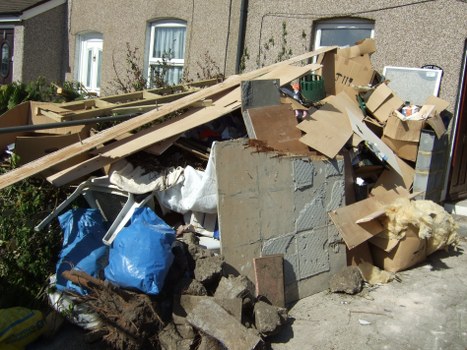
Businesses often need a dependable disposal route when workspaces are being rearranged, refurbished or emptied. Skip hire can support office moves, premises upgrades, stockroom tidies and mixed commercial clear-outs where the waste is too bulky for routine collections. The key is choosing a service that fits the volume and the type of material, so the job can proceed without disruption to day-to-day activity.
Relevant supporting pages include office clearance for desks, fittings and general workplace items, rubbish removal for broader waste collection needs and man and van where smaller loads or more direct handling may be appropriate. If the material is sensitive, confidential shredding offers a separate route for paperwork that needs secure treatment rather than ordinary skip disposal.
Different commercial loads call for different decisions. A simple office tidy may only need a limited container, while a strip-out or relocation can generate repeated waste over several phases. In those situations, it is useful to think about access, timing and how long the waste needs to stay on site. Well-timed removal keeps workspaces manageable and avoids blocked corridors, cramped loading points or unnecessary handling of material that is ready to go.
Waste types, recycling and what can go in a skip
Knowing what can go into a skip makes the booking easier and helps you avoid loading material that needs separate treatment. Many common project wastes are suitable, including general mixed rubbish, timber, packaging, furniture and some renovation debris. Heavy or restricted items may need more specific handling, so it is wise to check the rules before the container arrives rather than sorting the issue later.
The most helpful reference points are the what can go in a skip guidance page and the broader waste recycling services information. If your load may include items that need special care, the dedicated pages for hazardous waste disposal and fridge and appliance removal are better starting points than assuming everything can go into the same container.
A sensible loading plan can make the difference between a smooth collection and an awkward repack. Heavier items are usually best positioned carefully so the load remains stable, while lighter material can fill gaps around them. If you are unsure which items belong together, ask for a quotation based on the actual waste mix rather than a rough guess. That gives you a better basis for choosing the right service.
Pricing factors and the quotation process

Skip hire pricing depends on practical variables rather than a one-size-fits-all figure. The size of the container, the nature of the waste, how long it is needed and whether any permit or access arrangement is involved can all influence the final quotation. For that reason, it is best to compare the details of the job rather than assume that a similar-looking project will need the same approach.
The pricing and quotes page is a useful place to start if you want to understand what information helps shape an accurate estimate. It is also sensible to review payment and security so you know how commercial terms are handled, especially for larger or more organised projects. Clear information at the outset tends to make the whole process simpler and reduces the need for back-and-forth later on.
Ready to move ahead? Send the waste details, choose the service that best fits the job and ask for a quotation. If you would like to compare options first, the pages above are a practical way to narrow the choice. Then you can request a quotation once you know which route suits the work best.
About Hornsey
Hornsey is a district in the London Borough of Haringey, in north London, and its character reflects both a long settlement history and later urban development. The area sits close to Alexandra Palace, one of north London’s best-known landmarks, and it is connected to nearby parts of Crouch End, Muswell Hill and Wood Green by a network of streets and rail links that shape everyday movement through the district. Hornsey station lies on the Great Northern route, while nearby Hornsey railway depot is a notable part of the local railway landscape. The neighbourhood’s older core includes St Mary’s Tower, the surviving bell tower of the former parish church, which stands as a visible reminder of the medieval settlement that once centred there. Much of the surrounding built environment came later, especially in the Victorian and Edwardian periods when the wider area expanded with terraces, local shopping parades and civic buildings. The district also sits within reach of green spaces that help define north London life, including nearby Priory Park and Alexandra Park, and the nearby New River corridor forms part of the broader historic water landscape of the borough. Hornsey’s present-day identity is therefore layered: part older village, part railway suburb, part inner-London residential district. That mix is reflected in its streetscape, where historic remnants, transport infrastructure and later housing sit alongside everyday local commerce and community activity.
Planning the work from start to finish
When a project is organised well, waste removal becomes one part of the schedule rather than a disruption to it. The most efficient approach is usually to think through the type of waste first, then the amount, then the place where the container or collection will be used. That order helps you avoid underestimating the load or selecting a method that is awkward for the site layout. A skip works best when it fits naturally into the flow of the job.
Many customers like to keep a simple checklist before they enquire: what is being removed, where the waste is coming from, whether there is room for a container and whether the project is domestic, trade or commercial. You can use the supporting pages to compare the right route, including domestic skip hire, builders skip hire and commercial skip hire, then decide which service lines up best with the work in hand.
Once those basics are clear, it becomes much easier to choose between a standard container, a collection-based service or a more specialised approach. If access is tight, if the waste is mostly from a single room, or if you need to keep handling to a minimum, the options already listed can point you toward the most suitable arrangement. The final step is simple: ask for a quotation with enough detail for a useful response.