Health and Safety Policy – Skip Hire Hornsey
 This Health and Safety Policy sets out the commitment of Skip Hire Hornsey to protect the health, safety and welfare of employees, contractors, customers and the public during the provision of skip hire and rubbish removal services. The Company recognises its duty to comply with applicable health and safety legislation and industry best practice for all skip hire operations, waste collections and on-site waste handling. The policy applies to all activities carried out by the skip hire company, including delivery, siting, loading, transportation and disposal of waste.
Our aims are to prevent workplace injuries and work-related ill health, to provide safe systems of work and to ensure that risks are assessed and controlled. All staff and subcontractors must follow safe working procedures and use provided equipment correctly. Managers and supervisors will ensure that risk assessments are recorded and that adequate training, supervision and personal protective equipment (PPE) are provided. Everyone has a responsibility to take reasonable care of themselves and others affected by their actions while working for our skip hire services.
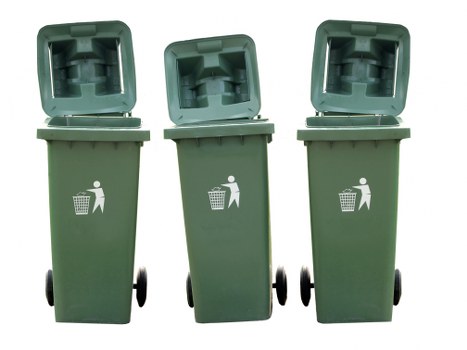 As a rubbish company offering skip hire services across the service area, we commit to the following specific obligations:
- Risk assessment: Conduct and document dynamic and formal risk assessments for deliveries, collections and on-site operations.
- PPE and equipment: Provide and enforce use of PPE such as high-visibility clothing, gloves, boots and eye protection where required.
- Vehicle safety: Ensure all vehicles and lifting equipment are maintained, inspected and operated by trained staff.
Responsibilities and Safe Working
Supervisors will implement and monitor safe systems of work for skip placement and waste handling. Employees must report hazards and near misses without delay. The company will appoint competent persons to oversee lifting operations and to manage waste segregation to avoid contamination and unsafe loads. Proper loading of skips and correct use of access areas reduce the risk of manual handling injuries and traffic incidents.
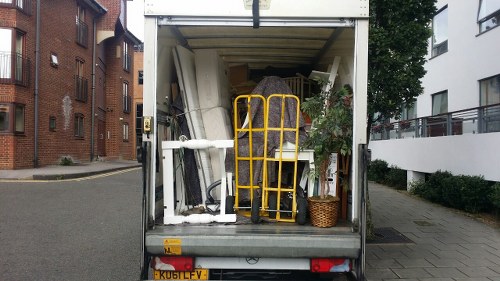 Training and competence are central to our approach. All staff involved in skip hire operations and rubbish collection receive induction training, periodic refresher courses and task-specific instruction. Records of training are retained and reviewed regularly. Contractors working on behalf of the skip hire company must demonstrate equivalent competence and adhere to the same safety standards.
Waste types that present particular hazards, such as asbestos, chemicals, batteries or sharps, are subject to strict segregation and handling procedures. Staff are instructed to refuse or isolate hazardous items and to report them to a nominated manager. If hazardous waste is identified, the skip hire operator will follow legally required notification, containment and disposal methods to protect health and the environment.
Operational Controls, Emergencies and Monitoring
Operational controls include pre-use vehicle checks, safe site assessments before delivery or collection, and clear communication protocols between drivers, operatives and site contacts. Traffic management plans are implemented where skip placement might affect public highways or pedestrian routes. Manual handling risk is minimised through mechanical aids, team lifting techniques and safe stacking practices.
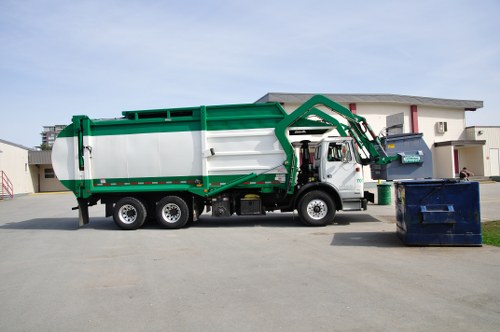 In the event of an incident or emergency, staff must follow the emergency response procedure: secure the area, provide first aid if trained, notify the designated safety officer and record the event. The Company maintains an incident reporting and investigation process to identify root causes and to implement corrective actions. Accident records and near-miss reports inform ongoing improvements.
 Monitoring and review are continuous. Health and safety performance is reviewed by management through regular inspections, audits and performance metrics. Safety meetings are held to discuss lessons learned, policy updates and changes to operational risk. The company will update this policy as necessary and communicate changes to all employees. Compliance with statutory duties and industry standards remains a priority for all levels of the organisation.
Additional elements of this policy include maintaining appropriate insurance and documentation for waste transfer, ensuring secure containment during transport, and adhering to permitted waste acceptance criteria. The skip hire business will not accept waste that would create an unsafe condition or contravene environmental regulations. Staff are instructed to seek guidance through internal escalation routes if uncertain about waste types or operational hazards.
Management will ensure sufficient resources are available to implement this policy effectively. Regular competence checks, toolbox talks and refresher training sessions help embed a positive safety culture. Employees are encouraged to contribute to safety improvements and to report unsafe practices without fear of reprisal. The success of our health and safety program depends on active participation at every level.
By implementing these measures, Skip Hire Hornsey aims to deliver reliable skip hire and waste removal services while maintaining the highest practical standards of health and safety. This policy is endorsed by senior management and forms part of the contract terms for all operational activities with the skip hire company. It will be reviewed at least annually or following significant changes to operations, legislation or following any major incident.